When considering tooth replacement options, the difference between traditional implant placement and advanced techniques can significantly impact your surgical experience and final results. The precision required for optimal implant positioning makes every degree and millimeter count for long-term success and function. Guided implant surgery has revolutionized how oral surgeons approach these procedures, offering patients more predictable outcomes with less invasive methods.
At Goodove Oral Surgery, we specialize in advanced dental implants using the latest techniques to deliver exceptional results for our patients throughout Virginia Beach and Chesapeake. Our commitment to combining surgical expertise with cutting-edge technology reflects our dedication to providing the highest standard of care in oral surgery.
What Is Guided Implant Surgery?
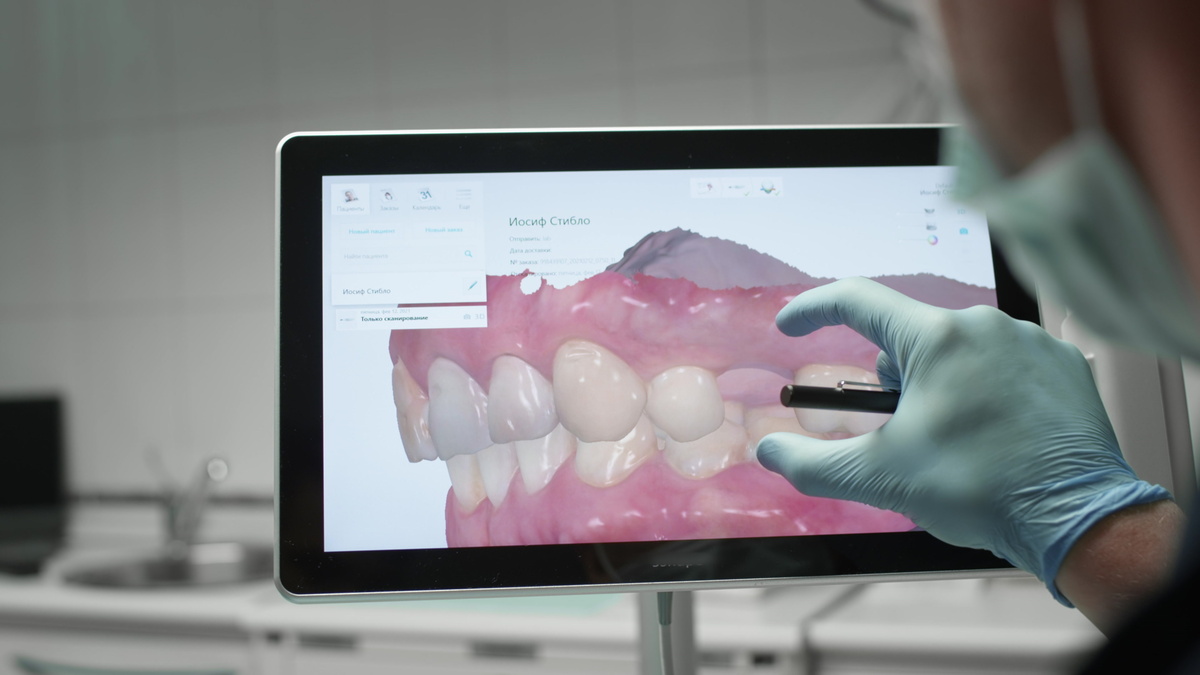
Guided implant surgery utilizes computer technology to plan and execute implant placement with remarkable accuracy. This approach begins with detailed 3D imaging of your jaw structure, typically using cone beam computed tomography (CBCT) scans that provide comprehensive views of bone quality, density, and anatomical landmarks. The surgical team then uses specialized software to determine the ideal implant position, angle, and depth based on your unique anatomy.
The actual surgical procedure employs a custom-fabricated guide that fits precisely over your teeth or gums. This guide contains predetermined channels that direct the surgical drills to the exact locations planned during the digital phase. The result is implant placement that matches the virtual plan with exceptional precision, minimizing the guesswork traditionally associated with freehand placement techniques.
Enhanced Accuracy and Predictability
One of the primary advantages of guided implant surgery lies in its superior accuracy compared to conventional methods. Research published in Clinical Oral Investigations shows that computer-assisted implant surgery has increased by 19.5% in recent years, with studies demonstrating that this technology reduces both angular and linear deviations during implant placement. This precision translates to implants positioned exactly where they need to be for optimal function and esthetics.
The predictability guided surgery offers proves particularly valuable in complex cases involving limited bone structure or proximity to vital anatomical structures such as nerves and sinuses. When every millimeter counts, following a predetermined surgical plan reduces the risk of complications and increases the likelihood of achieving the desired outcome.
Less Invasive Surgical Approach
Traditional implant placement often requires extensive tissue reflection and visualization to accurately position implants. Guided surgery can significantly reduce surgical invasiveness in many cases, as the precision of the guide sometimes allows for smaller incisions or even flapless procedures. This minimally invasive approach typically results in less postoperative discomfort, reduced swelling, and faster healing times for patients.
The decreased tissue trauma associated with guided surgery can be especially beneficial for patients who may be anxious about oral surgery or those with medical considerations that make extensive procedures less desirable. Our CPR-certified surgical staff monitors patients closely throughout procedures to ensure the highest level of safety and comfort.
Improved Outcomes in Challenging Cases
Guided implant surgery excels in situations where traditional approaches face significant challenges. Patients with limited bone volume who might otherwise require extensive bone grafting procedures may benefit from the precise positioning guided surgery allows. The technology enables surgeons to maximize available bone and identify the ideal implant positions that work within existing anatomical constraints.
Complex cases involving multiple implants or full-arch restorations also benefit tremendously from guided approaches. The ability to place multiple implants according to a comprehensive prosthetic plan ensures that all components work harmoniously together.
Advanced Planning with Cone Beam Technology
The foundation of successful guided implant surgery rests on detailed diagnostic imaging. Our practice utilizes cone beam CT imaging to capture comprehensive three-dimensional views of your jaw anatomy. This technology provides information that traditional two-dimensional X-rays simply cannot offer, including precise bone dimensions, the location of nerves and sinuses, and the quality of bone available for implant support.
The detailed information from CBCT scans allows for meticulous planning that accounts for every variable affecting implant success. Our surgeons can evaluate bone density, identify optimal implant sizes and positions, and anticipate potential challenges before the surgery begins.
Experience Precision Implant Dentistry at Goodove Oral Surgery
Choosing guided implant surgery represents an investment in accuracy, predictability, and your long-term oral health. The combination of advanced planning, precise execution, and minimally invasive techniques positions patients for successful outcomes and a comfortable recovery. Our hometown practice has remained independent while competitors went corporate because we prioritize quality referrals and personalized care over volume.
Our experienced doctors bring extensive training and dedication to every guided implant procedure, utilizing technology that represents the forefront of oral surgery. Whether your general dentist has referred you or you are seeking specialized care on your own, we welcome the opportunity to discuss how guided implant surgery might benefit your specific situation. Contact our office today to schedule a consultation and discover the difference that precision-guided implant placement can make in your treatment experience.