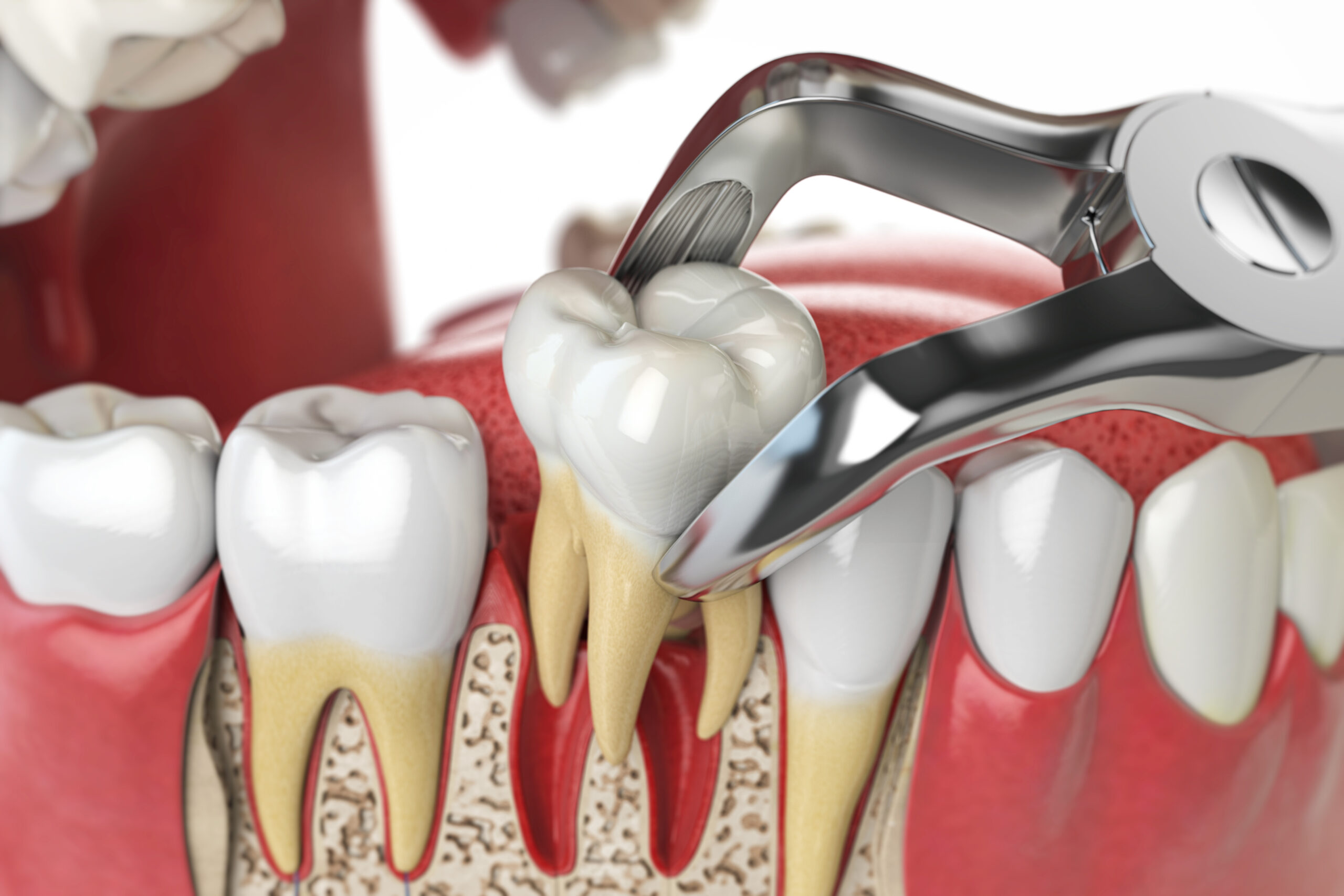
Not every damaged or painful tooth requires extraction. Your dentist or oral surgeon recommends this procedure only when preserving the tooth would cause more problems than removing it. While extraction is a common treatment, it represents the last option after considering all alternatives for saving your natural tooth.
Understanding when extraction becomes necessary helps you make informed decisions about your oral health. At Goodove Oral Surgery & Dental Implants in Virginia Beach and Chesapeake, our team evaluates each case individually to determine whether extraction is truly the right choice. Sometimes saving a tooth is possible, but other times removal protects your overall health and prevents future complications.
When Tooth Extraction Becomes Necessary
Several conditions make extraction the most appropriate treatment option. Severe decay that extends deep into the tooth structure may leave insufficient healthy tissue for restoration. When decay reaches this advanced stage, even root canals cannot save the tooth because there is not enough structure remaining to support a filling or crown.
Advanced gum disease also leads to tooth loss. When periodontal disease destroys the bone and tissue supporting your teeth, they become loose and unstable. Extracting teeth compromised by severe gum disease prevents infection from spreading to adjacent teeth and allows for proper treatment of the affected area.
Trauma from accidents or injuries can crack or fracture teeth beyond repair. If the damage extends below the gum line or involves the root structure, extraction may be the only viable solution. Our oral surgeons assess the extent of damage using advanced imaging to determine whether the tooth can be saved or needs removal.
Impacted Wisdom Teeth and Extraction
Wisdom teeth frequently require extraction because they lack sufficient room to emerge properly. These third molars often become impacted, meaning they remain trapped beneath the gum tissue or grow at problematic angles. Impacted wisdom teeth can push against adjacent teeth, cause pain, and create pockets where bacteria accumulate.
Leaving impacted wisdom teeth in place increases your risk of infection, cysts, and damage to neighboring teeth. Early removal prevents these complications and typically results in easier recovery than waiting until problems develop. Our team monitors wisdom teeth development through routine exams and recommends extraction timing based on your individual situation.
Infection and Tooth Extraction
Sometimes a tooth infection becomes too severe for antibiotics or root canal therapy to resolve. When infection spreads beyond the tooth into surrounding bone or soft tissue, extraction may be necessary to eliminate the source of bacteria. This prevents the infection from becoming a more serious health threat.
Teeth with large abscesses that do not respond to treatment pose ongoing health risks. The infection can affect your immune system and potentially spread to other parts of your body. Removing the infected tooth stops this process and allows the area to heal properly with appropriate follow-up care.
Orthodontic Treatment and Extractions
Overcrowding sometimes requires tooth extraction before orthodontic treatment can begin. When your jaw does not have enough space for all your teeth to align properly, removing one or more teeth creates room for the remaining teeth to shift into correct positions. Your orthodontist and our oral surgeons work together to determine which teeth should be removed to achieve the best results.
This strategic extraction supports your overall treatment goals and leads to a healthier, more functional bite. The process is carefully planned to ensure your final smile looks natural and works properly for eating and speaking.
Alternatives to Extraction
Before recommending extraction, your dentist explores all conservative treatment options. Fillings, crowns, and root canal therapy can often save teeth with extensive decay or infection. These treatments preserve your natural tooth structure and avoid the need for replacement options like bridges or implants.
Your general dentist may refer you to specialists like endodontists or periodontists for advanced treatments that could save your tooth. Only after determining that these alternatives cannot succeed or would provide only temporary relief does extraction become the recommended course of action.
What Happens After Extraction
If extraction is necessary, planning for tooth replacement protects your oral health long-term. Missing teeth can cause remaining teeth to shift, affect your bite, and lead to bone loss in your jaw. Dental implants provide a permanent solution that looks and functions like natural teeth.
Some patients need bone grafting at the time of extraction to preserve bone volume for future implant placement. This proactive approach simplifies the restoration process and produces better long-term results. Our oral surgeons discuss these options during your consultation so you understand the complete treatment plan.
Making the Right Decision About Extraction
Trust the expertise of your dental care team when they recommend extraction. This decision comes after thorough evaluation and consideration of your specific circumstances. Your dentist or oral surgeon balances the goal of preserving natural teeth with the reality of what treatments can successfully achieve in your case.
Ask questions about why extraction is recommended and what alternatives were considered. Understanding the reasoning behind the recommendation helps you feel confident about proceeding with treatment. Our team takes time to explain your options and ensures you have all the information needed to make the best choice.
Get Expert Guidance at Goodove Oral Surgery & Dental Implants
Whether you need a tooth extracted or want a second opinion about your treatment options, our experienced oral surgeons provide the specialized care you deserve. We evaluate every case thoroughly and recommend extraction only when it truly serves your best interests. Our goal is to preserve your oral health while minimizing discomfort and recovery time.
If your dentist has recommended an extraction or you have concerns about a problem tooth, contact us to schedule a consultation. The team at Goodove Oral Surgery & Dental Implants will assess your situation and help you understand the best path forward for your dental health.