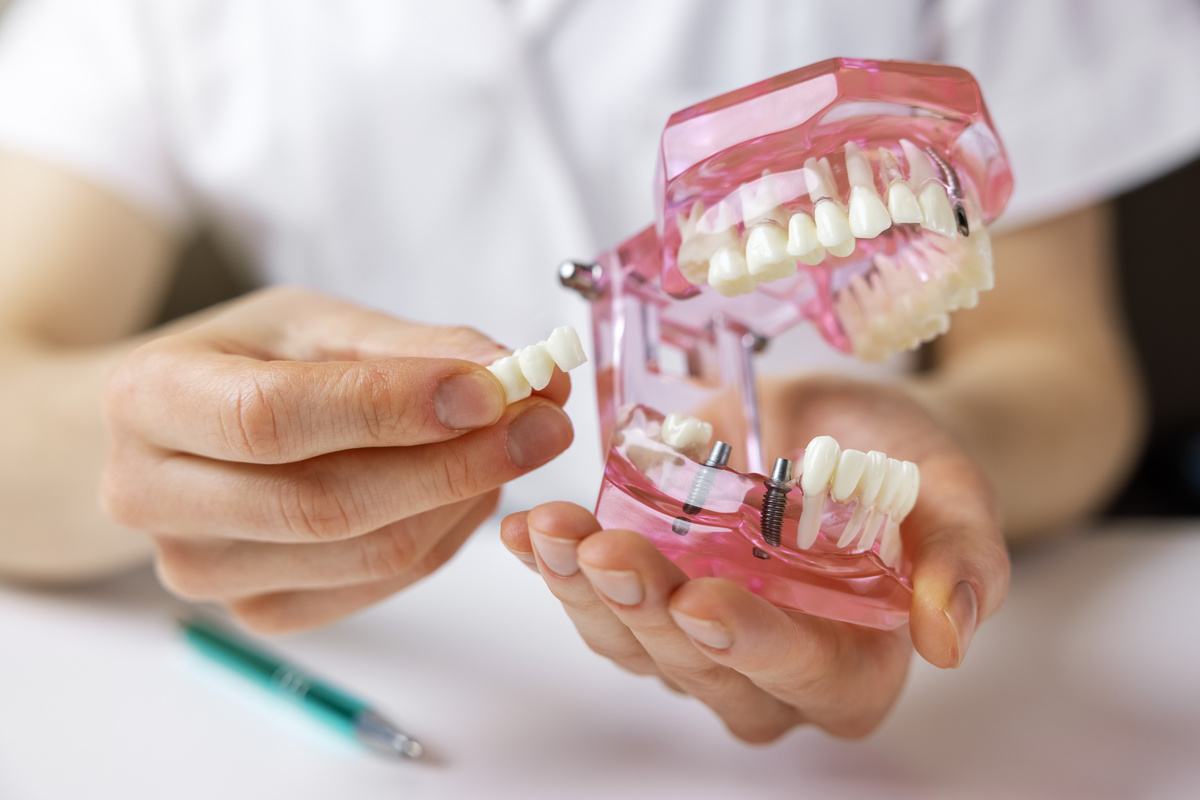
You’ve done the research. You know dental implants look and feel like natural teeth, and you’ve heard they can last a lifetime. But somewhere between reading that promise and scheduling a consultation, a nagging question creeps in: is “a lifetime” actually realistic, or is it just something dental offices say? The honest answer is that longevity depends on several real, manageable factors, and understanding them makes all the difference.
At Goodove Oral Surgery & Dental Implants, we believe informed patients make the best decisions. Our team has placed countless implants across Virginia Beach and Chesapeake, and we’ve seen firsthand how the right foundation, surgical precision, and patient habits translate into implants that stand the test of time. If you’re curious about what gives implants their durability, our page on dental implant success and why experience matters is a great place to start.
What the Research Actually Says
Dental implants consistently outperform other tooth replacement options when it comes to longevity, but the numbers tell a nuanced story. A 20-year meta-analysis published in PMC found prospective survival rates of approximately 92% at the 20-year mark, with retrospective studies showing 88% survival across over 1,400 implants. These numbers confirm something oral surgeons have long observed: implants are remarkably durable, but long-term success is not automatic.
The research also underscores an important point: implant care doesn’t end with the procedure. The difference between an implant that lasts 10 years and one that lasts 30 years often comes down to what happens after osseointegration, the process by which the implant fuses to the jawbone.
Factors That Influence How Long Your Implants Last
Several variables shape implant longevity, and most of them are within your control or your surgeon’s.
Bone Quality and Volume
The implant post is anchored directly in the jawbone, which means adequate bone density and volume are non-negotiable for long-term stability. Patients who have experienced tooth loss for an extended period often have some degree of bone loss in that area. In those cases, a bone graft may be needed before implant placement to create a proper foundation. If you’re wondering whether this step applies to you, our blog on who needs bone grafting explains the process in detail.
Surgical Technique and Provider Experience
Implant placement is not a one-size-fits-all procedure. The angle of placement, depth, handling of surrounding tissue, and awareness of anatomical structures all contribute to how well the implant integrates and holds up over time. An oral surgeon with extensive implant experience brings a level of precision that general practitioners simply don’t encounter as frequently. This is one reason patients are often referred to oral surgery practices rather than having implants placed at a general dentistry office.
Overall Health and Lifestyle Habits
Certain systemic conditions and habits are known to affect implant survival rates. Uncontrolled diabetes, for example, impairs healing and can interfere with osseointegration. Smoking is one of the most significant risk factors; it restricts blood flow, slows healing, and increases the likelihood of infection around the implant site. Patients who smoke are generally counseled to quit before and after implant surgery for this reason.
Medications that affect bone density, such as bisphosphonates, can also be relevant considerations. A thorough medical history review before surgery helps identify any factors your care team needs to account for.
Oral Hygiene and Maintenance
Even a perfectly placed implant can fail if it’s not cared for. Peri-implantitis, a form of inflammation around the implant similar to gum disease, is one of the leading causes of late implant failure. Consistent brushing, flossing, and regular professional cleanings keep the tissue around the implant healthy and reduce the risk of infection. Routine checkups also allow your dental team to catch any early warning signs before they become larger problems.
The Restoration on Top
The implant post itself is only one part of the equation. The crown, bridge, or full-arch restoration attached to it also has its own lifespan. Crowns typically last 10 to 20 years before they need replacement due to normal wear. Patients considering full-arch solutions may find our comparison of overdentures versus traditional dentures helpful when weighing their long-term options.
What You Can Do to Protect Your Investment
The good news is that most longevity-threatening factors are preventable. Maintaining excellent oral hygiene, attending routine follow-up appointments, avoiding smoking, and managing underlying health conditions go a long way toward maximizing how long your implants perform. Your surgical team plays a role, too; placement in a well-equipped facility with an experienced team sets the right conditions from day one.
For military families stationed at Naval Station Norfolk, NAS Oceana, or Joint Expeditionary Base Little Creek, there is an additional consideration worth planning for: PCS orders. Active duty service members and their families often relocate every two to three years. Dental implants, once fully integrated, require no transfer paperwork or provider matching — they go with you wherever the military sends you. That built-in portability makes implants a particularly practical long-term solution for Hampton Roads military families who want a tooth replacement option that does not depend on continuity with a single local dental provider.
If dental anxiety is a barrier to getting started, it’s worth knowing comfort options are available. Our office offers multiple sedation options for oral surgery to help patients feel at ease through every step of the process.
Schedule a Consultation at Goodove Oral Surgery & Dental Implants
Dental implants, when placed correctly and cared for properly, offer a tooth replacement solution built to last. The team at Goodove Oral Surgery & Dental Implants serves patients across Virginia Beach and Chesapeake, bringing the personalized attention of an independent hometown practice to every consultation. We take the time to evaluate your bone health, discuss your medical history, and create a treatment plan designed for your long-term success.
To learn more about whether implants are right for you, meet our doctors or contact our office to schedule your consultation today.