When you don’t have enough bone for dental implants, it may feel like that permanent smile solution is out of reach. Although that kind of news may feel final, for many people, it’s not. Bone loss is one of the most common challenges patients bring to an oral surgeon, and modern techniques have made it far more manageable than many people think.
At Goodove Oral Surgery & Dental Implants, we evaluate patients with bone loss every day and help them understand their real options. Our dental implants team works closely with each patient to determine whether bone rebuilding is possible and what a realistic path to implants looks like. If you’ve been turned away or feel uncertain about your candidacy, a conversation with our surgeons is the right next step to help you learn how you may still be able to fully complete your smile.
Why Bone Loss Affects Implant Placement
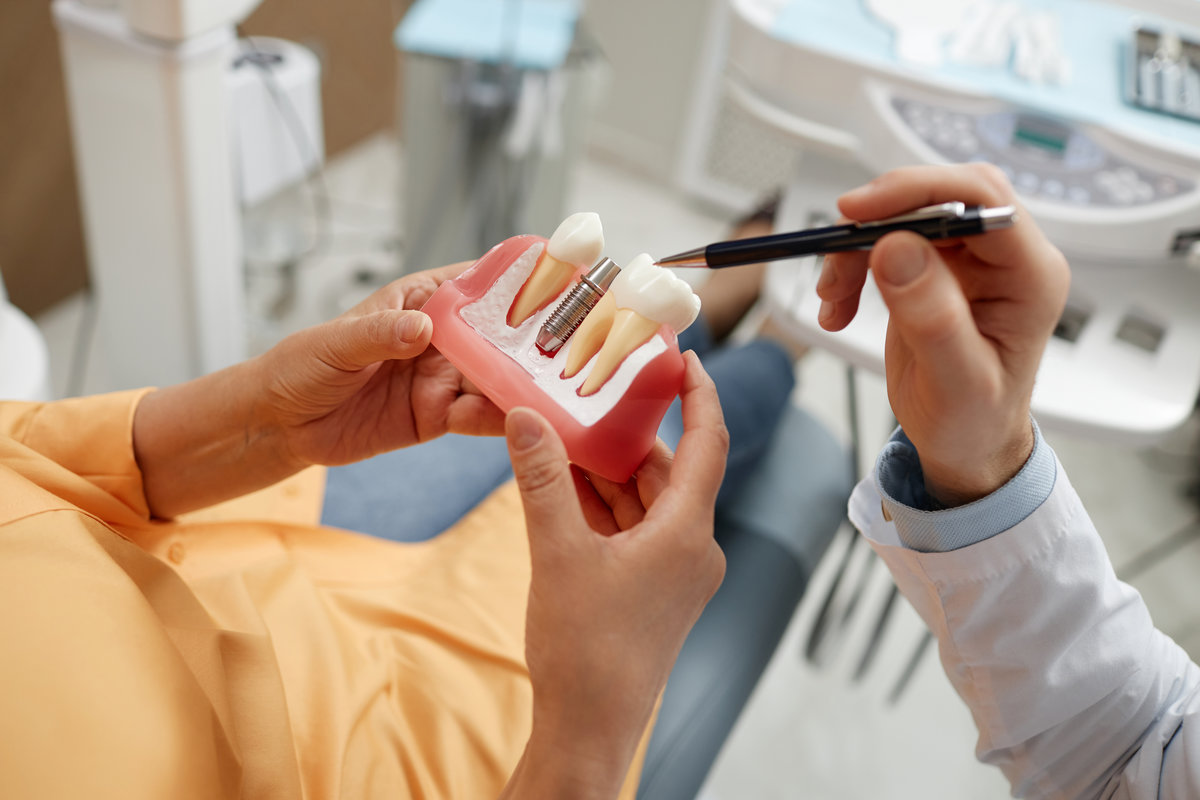
Dental implants require a stable foundation to keep them firmly in place. The titanium post that serves as an artificial tooth root must integrate with the jawbone to create a secure, lasting anchor, and that process depends on having adequate bone volume and density. When a tooth is lost and not replaced, the jawbone in that area deteriorates because it no longer receives the stimulation it needs from chewing. Over time, this bone loss can make standard implant placement difficult without added intervention.
Several factors can also contribute to bone loss in the jaw. Periodontal disease, injury, infection, and prolonged denture wear are all common contributors. The longer a tooth has been missing, the more pronounced the bone loss tends to be.
Bone Grafting Can Rebuild What Was Lost
Bone loss does not automatically disqualify you from receiving dental implants. Bone grafting is a well-established surgical procedure that restores volume and density to areas of the jaw that have deteriorated. During the procedure, new bone material is placed in the deficient area to stimulate the body’s natural regenerative process and to create a stronger foundation for later implant placement.
Bone grafts may come from your own body, a donor source, or a synthetic material, depending on the extent of the loss and your individual anatomy. The graft integrates with your existing jaw structure over a healing period that typically spans several months, after which implant surgery can proceed.
According to the American Association of Oral and Maxillofacial Surgeons, bone grafting is a routine procedure with consistently strong outcomes when patients follow post-operative guidance and allow sufficient healing time. Many patients who initially felt they were not candidates for implants have gone on to receive them successfully after grafting.
Not Every Case Requires Extensive Grafting
Bone loss exists on a spectrum, and not every patient with reduced bone density requires major preparatory surgery. In some cases, socket preservation performed at the time of a tooth extraction can prevent significant bone loss from occurring in the first place. In others, guided implant surgery using cone beam CT imaging allows for precise placement that takes full advantage of available bone. A cone beam CT scan gives our team a three-dimensional view of your jaw that far exceeds what a standard X-ray reveals, resulting in a much more accurate assessment of your bone structure and true implant potential.
Your treatment plan will depend on the location of the missing tooth, the degree of bone loss, your overall health, and the results of that imaging evaluation. No two patients are identical, which is why a personalized consultation is essential before drawing any conclusions about your candidacy.
Take the Next Step With Goodove Oral Surgery & Dental Implants
Bone loss is a challenge, not an automatic dead end. With the right evaluation and appropriate preparatory treatment, many patients who believed implants were off the table have gone on to enjoy the lasting benefits of a stable, permanent restoration. If you have been living with missing teeth or have been told you lack the bone for implants, allow our team to give you a second opinion grounded in surgical expertise.
Dr. Scott R. Goodove and Dr. Peter Zagursky bring specialized oral and maxillofacial surgery training to every case, and our practice holds hospital privileges at Bon Secours Maryview Medical Center, , and Virginia Beach Ambulatory Surgery Center. We are proud to remain an independent, community-rooted practice that always puts our patients first. Contact our office to schedule your consultation and start the journey toward restoring your smile with confidence.