A missing tooth can change much more than how your smile looks. Over time, the jawbone beneath that gap can begin to shrink, and that loss of bone volume is often the first thing standing between a patient and a stable, long-lasting implant. Anyone considering implants after tooth loss usually has one question early on: how long is the wait going to be?
At Goodove Oral Surgery, we walk patients through bone grafting as a routine part of implant preparation rather than a detour from it. The timeline depends on the size of the graft, where it sits in the jaw, and how your body responds, but understanding the general stages can make the process feel far less uncertain.
Why Bone Grafting Comes Before Implants
A dental implant needs enough solid bone around it to fuse securely, a process called osseointegration. When a tooth has been missing for a while, or when an extraction left the socket thin, the surrounding bone may not have the density or height to support an implant on its own.
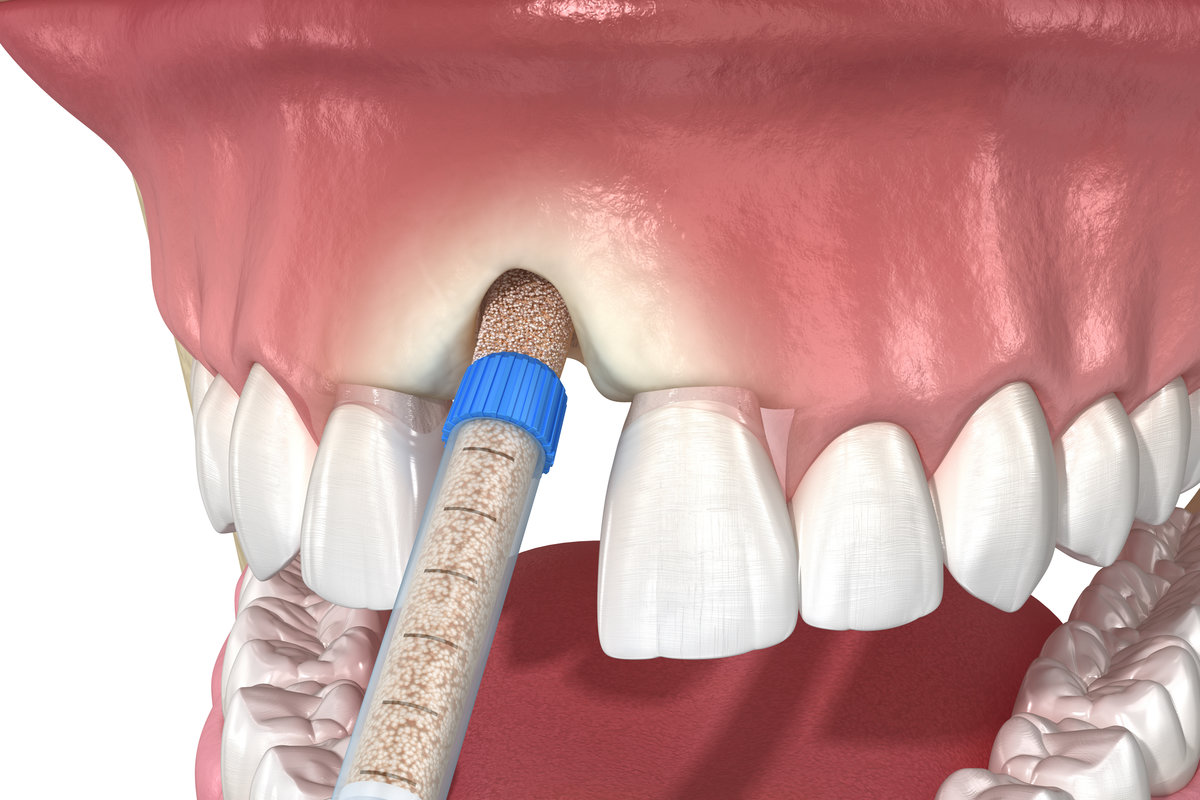
Bone grafting rebuilds that foundation by placing graft material directly into the treatment site. Over the following months, your own bone cells gradually grow into and replace the graft, creating living tissue that can hold an implant the way natural bone always has.
What Happens During the Healing Period
Healing after a bone graft happens in layers rather than all at once. The surgical site typically feels tender for the first week or so as the gum tissue closes over the graft material. This early phase is mostly about protecting the area while the body starts laying down new blood vessels.
Underneath the surface, the real work continues for months. Research on delayed implant placement following bone grafting generally points to a healing window of three to six months before the site is dense enough for implant surgery, with the mandible often healing faster than the upper jaw. We may recommend imaging partway through this period to confirm the graft has matured enough to move forward safely.
Factors that Can Affect Your Timeline
No two grafts heal on exactly the same schedule, and a few specific factors tend to shape how long the process takes for each patient.
- The size and location of the graft, as larger grafts and areas with less existing bone typically need more time
- Overall health conditions, including diabetes or smoking habits, which may slow new bone formation
- The type of graft material used, as some options integrate with your natural bone more readily than others
- How closely post-surgical care instructions are followed during the first few weeks
Because these factors vary so much, we may be able to give you a more specific estimate once we have evaluated your jaw with imaging during your consultation.
Moving from Bone Graft to Implant Placement
Once the graft site has matured, the next step is typically placing the implant itself. Some patients qualify for guided implant surgery, which uses detailed imaging from the healed graft site to plan exact implant positioning before the procedure even begins.
After the implant is placed, there is a separate healing period while the implant fuses with the surrounding bone, generally lasting a few more months before a permanent restoration is attached. Patients often ask about how long implants last once this process is complete, and a properly healed graft site is one of the biggest factors in that long-term stability.
While every patient is different, the average healing period is roughly three to nine months following extraction or grafting, depending on the site and technique used.
Frequently Asked Questions About Bone Graft Healing and Dental Implants
How long does a bone graft need to heal before I can get a dental implant?
Most bone grafts need about three to six months to become dense enough to support a dental implant, though the exact timeline depends on the size of the graft, its location in the jaw, and how quickly your body heals. Grafts in the lower jaw often mature a bit faster than those in the upper jaw.
What factors can make my bone graft heal faster or slower?
The size and location of the graft, overall health conditions like diabetes or smoking, the type of graft material used, and how closely you follow post-surgical care instructions can all speed up or slow down healing. We can give you a more personalized estimate once we evaluate your jaw with imaging at your consultation.
Will I need X-rays or imaging before my implant can be placed?
Yes. We typically recommend imaging partway through the healing period to confirm the graft site has matured enough for implant surgery. That imaging can also help determine whether you are a candidate for guided implant surgery, which uses the healed graft site to plan precise implant positioning.
Do I always need a bone graft before getting a dental implant?
Not always. Bone grafting is only necessary when the jawbone at the treatment site lacks the height or density to support an implant on its own, which is common after a tooth has been missing for a while or after an extraction left the socket thin. When enough healthy bone is already present, an implant can sometimes be placed without a preliminary graft.
Once my bone graft has healed, how much longer until I have a permanent tooth?
After the graft matures, the implant itself is placed and then needs its own healing period, generally a few more months, to fuse with the surrounding bone before a permanent restoration is attached. From extraction or grafting through a fully restored implant, patients typically see an average healing period of roughly three to nine months in total, depending on the site and technique used.
Choose Goodove Oral Surgery and Dental Implants
Bone grafting and implant timelines are rarely one size fits all, and having a surgeon who treats each case individually can make a real difference in outcomes. Goodove Oral Surgery is an independent, community-focused practice by choice, and because we are locally owned and operated, our doctors, Dr. Scott Goodove, Dr. Peter Zagursky, and Dr. Sam Fowler, have the flexibility to make decisions based on what is best for each patient and family. That means your graft and implant timeline is planned around your healing.
If you have been told you may need bone grafting before implants, or if you simply want to understand what your own timeline could look like, we invite you to contact our office to schedule a consultation.