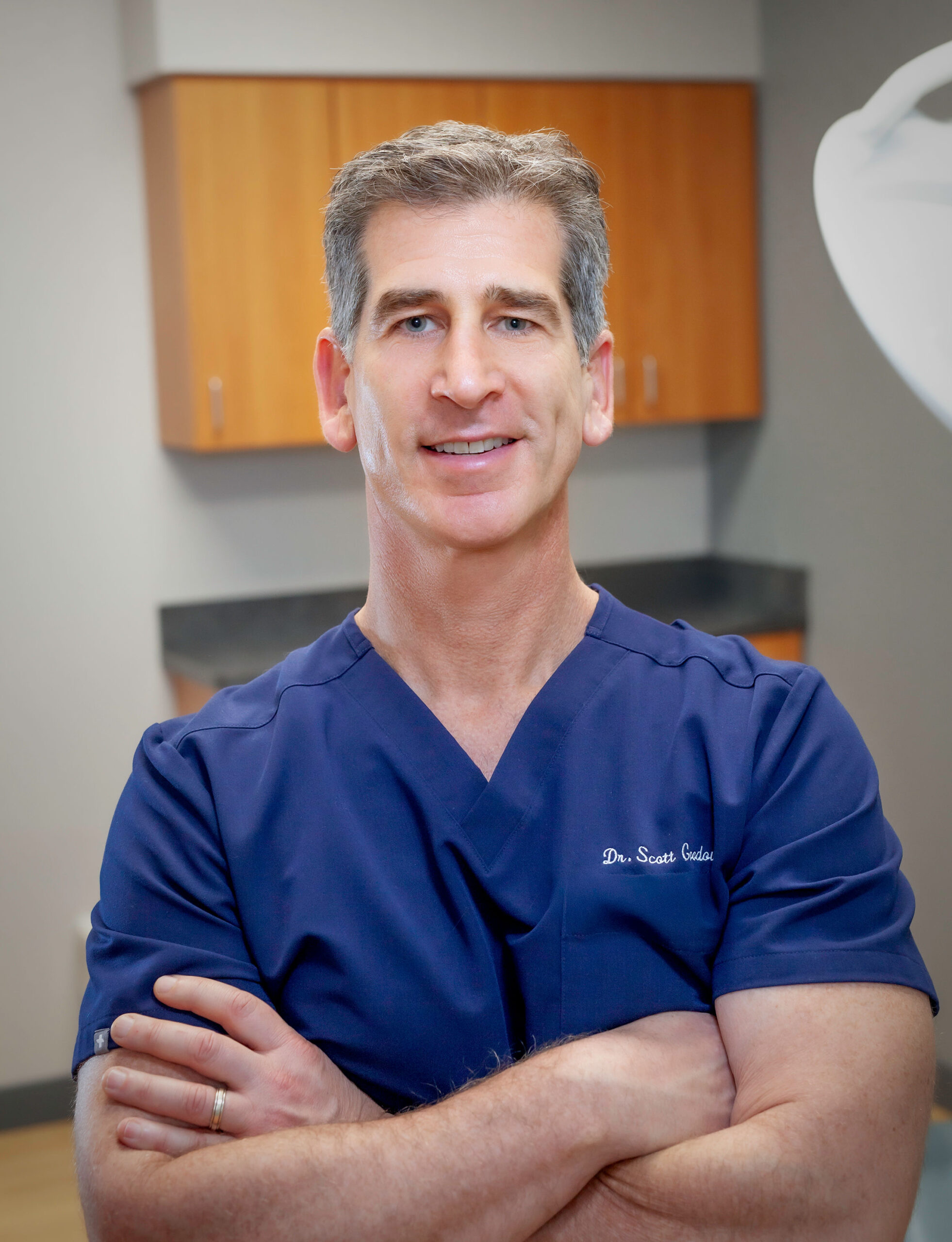
The moment between hearing you need oral surgery and actually understanding what that means can feel daunting. Fortunately, your consultation can transform this uncertainty into clarity, turning abstract concerns about procedures, recovery, and outcomes into concrete answers you can work with. This first appointment isn’t just a formality; it’s where you gain the knowledge and confidence needed to move forward with your treatment plan.
At Goodove Oral Surgery & Dental Implants, we prioritize the value of a thorough consultation. Our doctors take the time to explain each step of your treatment plan, answer your questions, and ensure you feel comfortable moving forward with your oral surgery procedure. We believe informed patients have better outcomes, which is why we prioritize clear communication from your very first visit.
Before Your Consultation
Gathering relevant medical information before your appointment helps streamline the consultation process. You should bring a list of current prescriptions, as well as over-the-counter supplements and vitamins. Your oral surgeon needs to know about any allergies, previous surgeries, and medical conditions such as diabetes or heart disease. If your dentist referred you for oral surgery procedures, bring any X-rays, scans, or referral notes they provided.
Insurance information should come with you as well. Understanding your coverage beforehand helps you plan financially for your procedure, and reviewing our overview of whether dental implants are covered by insurance ahead of time can help you know what questions to ask. Write down questions you want to ask during the consultation so you don’t forget important concerns once you’re in the office.
If your referring dentist is located elsewhere in Hampton Roads, on the Peninsula, in Suffolk, or on the Eastern Shore, call our office ahead of your visit to confirm whether your records have already been sent over. Many of our referring partners transmit imaging and referral notes electronically in advance, which means you may not need to bring a physical copy on the day of your consultation. Confirming this in advance saves time and ensures your surgeon has everything needed to give you a complete evaluation from the start.
What Happens During the Appointment
Your consultation begins with a review of your medical history and the reason for your visit. The oral surgeon examines your mouth, teeth, and jaw to look for issues related to your condition. This examination may include X-rays or advanced imaging to provide a complete picture of your oral structures.
The discussion then turns to your specific treatment needs. Whether you’re considering dental implants, wisdom teeth removal, or another procedure, your surgeon explains what the surgery involves and why it’s necessary. You’ll learn about the expected timeline, recovery process, and potential risks or complications.
Many patients are surprised by how much of the consultation is spent listening rather than being talked at. A good surgeon asks about your daily routine, your work schedule, and any past experiences with dental treatment that might be shaping your current concerns. This context helps shape a treatment plan that fits your actual life rather than a generic protocol applied to every patient with a similar diagnosis.
Understanding Anesthesia Options
One of the most critical parts of your consultation involves discussing sedation and anesthesia choices. Your oral surgeon will review the different levels of sedation available, from local anesthesia to general anesthesia, based on the complexity of your procedure and your comfort level. Factors like anxiety, the length of surgery, and your medical history influence which option works best for you. Research shows more than half of dental patients identify oral surgery as their greatest source of anxiety, making your initial consultation and anesthesia discussion all the more valuable.
The surgeon will also explain what you’ll experience with each type of sedation. Some patients prefer to be fully asleep during their procedure, while others feel comfortable with lighter sedation. Your preferences matter, and your surgeon works with you to find the right approach. If you know in advance that you can only arrange transportation for certain sedation levels, mention this early. Our article on driving after oral surgery explains how each sedation type affects your ability to get yourself home afterward, which is often a deciding factor for patients weighing their options.
Questions You Should Ask
Asking questions during your consultation ensures you fully understand your treatment plan. Consider asking about the following:
- Experience with your procedure: How often does the surgeon perform this specific treatment, and what is their general approach to cases like yours?
- Recovery expectations: What symptoms are normal after surgery, and when can you expect to feel like yourself again?
- Daily life adjustments: When can you return to work or school, what foods can you eat during recovery, and how should you manage any discomfort?
- Alternative treatments: Are there other options to the recommended procedure, and why is this approach preferred for your situation?
- Preparatory steps: If your procedure requires bone grafting or other preparatory work, what is the timeline for these steps?
Our guide on questions to ask before choosing an oral surgeon covers additional considerations if you are still deciding where to have your procedure done. Don’t hesitate to bring a written list into your appointment. Most surgeons welcome a thorough conversation, and no question is too small when it comes to understanding your own care.
Financial Planning and Next Steps
Your consultation includes a discussion about costs and payment options. The office staff reviews what your insurance covers and explains any out-of-pocket expenses. Many practices offer payment plans or financing options to make treatment more accessible.
Before you leave, you’ll receive a treatment plan outlining the recommended procedures and timeline. The staff helps you schedule your surgery and provides instructions for any pre-operative requirements. You might need to arrange for someone to drive you home after the procedure, especially if you’ll be under sedation.
If cost is a concern, say so during this conversation rather than after your treatment plan is finalized. Many practices can adjust the sequence of a treatment plan, phase certain procedures over time, or point you toward financing options that make a recommended treatment more manageable. Office staff who handle insurance and billing daily are often able to answer detailed coverage questions more quickly than trying to sort through your plan documents on your own.
Preparing for Surgery Day
Your consultation provides the information you need to prepare for your upcoming procedure. You’ll receive detailed pre-operative instructions, which may include fasting requirements, medication adjustments, or other preparations. Following these instructions carefully helps ensure your surgery goes smoothly.
The consultation also gives you the chance to meet the doctors who will be performing your procedure. Building this relationship before surgery day helps reduce anxiety and creates trust between you and your surgical team.
What Makes a Consultation Worthwhile
Not every consultation feels equally productive, and knowing what a good one looks like helps you get more out of the visit. A worthwhile consultation gives you a clear diagnosis explained in plain language, a treatment plan you understand well enough to explain back to someone else, and a realistic sense of the timeline ahead. You should leave feeling like your specific concerns were heard rather than given a generic overview.
If something about your consultation left you uncertain, it is reasonable to call the office and ask for clarification before your surgery date. A good surgical team would rather answer a follow-up question than have you walk into surgery day with unresolved concerns.
It is also worth paying attention to how the office itself communicates during this process. Were your calls returned promptly? Did the staff explain your insurance benefits in a way you actually understood? Was the office willing to work around your schedule for follow-up questions? These details often say as much about the quality of care you can expect as the clinical explanation itself, since a practice that communicates well before surgery typically communicates well throughout your recovery too.
Schedule Your Consultation at Goodove Oral Surgery & Dental Implants
Taking the time for a comprehensive oral surgery consultation sets you up for success. At Goodove Oral Surgery & Dental Implants, our board-certified surgeons have hospital privileges at Virginia Beach Ambulatory Surgery Center and Bon Secours Maryview Medical Center. Our highly trained and experienced surgical staff provides a genuinely caring environment where patients feel comfortable and informed.
We take pride in being your hometown oral surgeon, offering direct access to your doctor whenever you have questions or concerns. Our team stays current through continuing education and maintains the highest safety standards, with all staff members CPR certified. Contact us today to schedule your consultation and take the first step toward your oral surgery treatment.
Frequently Asked Questions About Oral Surgery Consultations
How long does an oral surgery consultation typically take?
Most consultations last between 30 and 60 minutes, depending on the complexity of your condition and how much imaging or discussion is needed. Straightforward cases like a single wisdom tooth evaluation tend to move faster, while consultations involving multiple procedures or complex medical histories may take longer.
Will I need X-rays if my dentist already took them?
If your referring dentist sends recent, high-quality imaging in advance, your surgeon may be able to use those rather than repeating the process. In some cases, additional or different imaging is still needed to plan your specific procedure. Confirming with the office ahead of time helps you know what to expect.
Can I schedule surgery on the same day as my consultation?
Same-day surgery is sometimes possible for straightforward cases, but most patients schedule their procedure for a later date to allow time for pre-operative preparation, insurance verification, and arranging transportation if sedation is planned. Your surgeon will let you know what makes sense for your specific situation.
What if I disagree with the recommended treatment plan?
Your consultation is the right time to ask about alternatives and voice any concerns about the recommended approach. A thorough surgeon explains the reasoning behind their recommendation and is open to discussing other options when they exist. Seeking a second opinion is also always a reasonable choice.
Do I need to bring someone with me to my consultation?
A consultation itself does not typically require a driver or companion since no sedation is given that day. Some patients find it helpful to bring a family member for support or to help remember details discussed, particularly when considering a more involved procedure.