
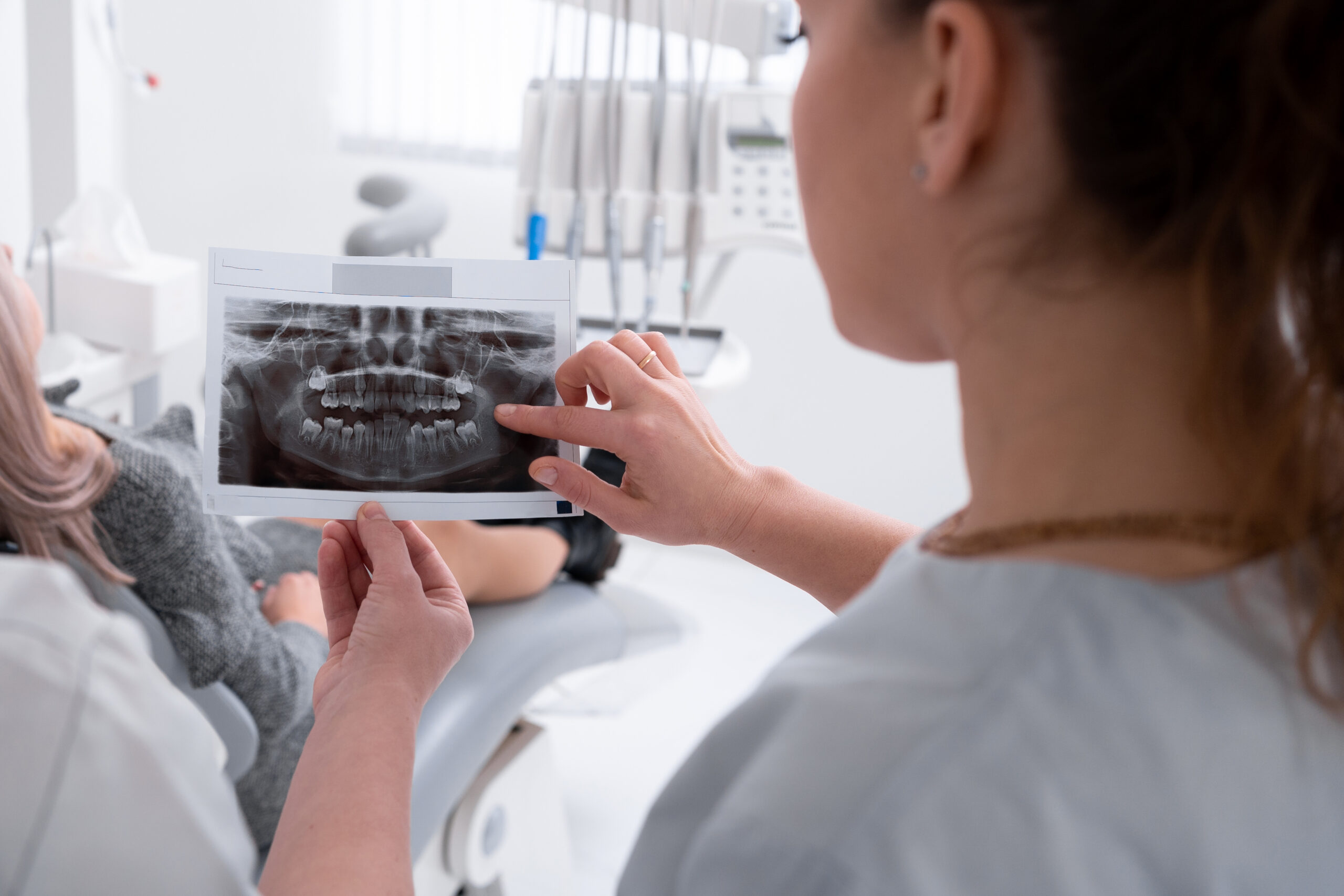
A bone graft not healing as planned may show up as worsening pain after the first few days, swelling that keeps increasing, pus or a bad taste in your mouth, or graft material visible through the gum tissue. You may also notice the area feels loose or tender when you eat or brush. These changes are not always a sign of failure, but they deserve a prompt look from your surgeon.
Our team at Goodove Oral Surgery works with patients across Virginia Beach and Chesapeake who need bone grafting to rebuild jawbone before dental implants or other restorative care. As a hometown oral surgeon, we want you to feel confident about what healing should look like and when it is time to call us. Below, you can find what normal recovery looks like, which signs are worth reporting, and the steps we may take if a graft needs attention.
What Normal Healing Looks Like After a Bone Graft
Some tenderness, mild swelling, and minor bruising are common in the days after a graft. Tiny granules of graft material may also work their way out as the area settles. These changes usually ease as the days pass, and they are part of how your body adjusts to new material. Following your written aftercare instructions closely gives the site its best chance to heal.
Bone takes time to mature, often several months, so your surgeon may ask you to return for follow-up visits before placing dental implants. If you are curious about who may need a bone graft in the first place, factors such as tooth loss, gum disease, and long-standing missing teeth can all lead to bone loss in the jaw.
Warning Signs That May Point to a Failed Bone Graft
Every patient heals at a different pace, but certain symptoms should prompt a call to our office. Watch for the following changes at the graft site:
- Pain that increases after the first several days instead of easing
- Swelling that grows or returns after it had started to go down
- Pus, drainage, or a lingering bad taste or odor
- Gum tissue that opens up or graft material that looks exposed
- Fever, or a nearby tooth or implant feeling loose
Any one of these signs may have a simple explanation, such as irritation or a minor infection responding to care. Because the symptoms can overlap with normal healing, an exam is the most reliable way to tell the difference.
What May Contribute to Bone Graft Problems
A review of guided bone regeneration published in 2020 explains gum tissue opening over the graft and exposed barrier membranes are among the most common complications. According to the authors, these issues may lead to infection, incomplete bone healing, and the loss of some graft material. That is one reason early reporting matters.
Other factors may also play a role. Smoking, poor oral hygiene, certain health conditions, and disturbing the site with your tongue or fingers may raise the risk of complications. Following your aftercare steps, keeping the area clean as directed, and attending every follow-up visit can help lower that risk.
What to Do if You Notice a Warning Sign
Call our office as soon as you notice a change instead of waiting for your next scheduled visit. We may examine the area, review your symptoms, and use 3D cone beam imaging, which we offer at all of our locations, to look closely at the bone. This kind of detail helps our doctors plan the next step with care.
A graft needing attention does not always mean the end of your plans for dental implants. Depending on what we find, our doctors may recommend treating an infection, cleaning the site, or repeating the graft once the area is ready. Your care plan depends on your needs, and we can walk through each option with you.
Contact Goodove Oral Surgery for Bone Graft Care
Goodove Oral Surgery is an independent, locally owned practice by choice, which gives our doctors the flexibility to base decisions on what is best for each patient and family. That means direct access to your surgeon, continuity of care, and a team that cares about building lasting relationships in the community we serve. You can learn more about our doctors and the personal approach we bring to every visit.
If you have noticed pain, swelling, or other changes after a graft, or you are considering bone grafting before dental implants, we are here to help. Our team can examine the area, answer your questions, and talk through next steps in a calm, personal way. Reach out through our contact form to schedule your visit.