
A root canal is supposed to be the end of the story for an infected tooth. So when pain, swelling, or tenderness returns months or even years later, it can feel frustrating and a little frightening. You did everything right, yet the infection at the tip of the root simply will not heal. In many of these cases, the tooth can still be saved with a minor surgical procedure called an apicoectomy, also known as root-end surgery.
At Goodove Oral Surgery, we have helped Virginia Beach families save their natural teeth for close to two decades. As an independent, locally owned practice, our doctors have the flexibility to make decisions based on what is best for each patient, taking the time to explain your options and guide you through every step of treatment. An apicoectomy is one of the oral surgery procedures in Virginia Beach we perform with precision, gentle care, and the advanced technology your tooth deserves.
An apicoectomy is a small surgical procedure that removes the very tip of a tooth’s root, called the apex, along with any infected or inflamed tissue surrounding it. Once the root tip is removed, the end of the root canal is cleaned and sealed with a small biocompatible filling. Over the following months, the bone naturally heals around the end of the root, allowing you to keep your natural tooth.
Modern techniques have made this procedure more predictable than ever. According to a systematic review and meta-analysis published in 2020 through the National Library of Medicine, endodontic microsurgery achieved a pooled success rate of 91.3 percent across randomized clinical trials. With careful case selection and skilled surgical hands, the odds of saving your tooth are strongly in your favor.
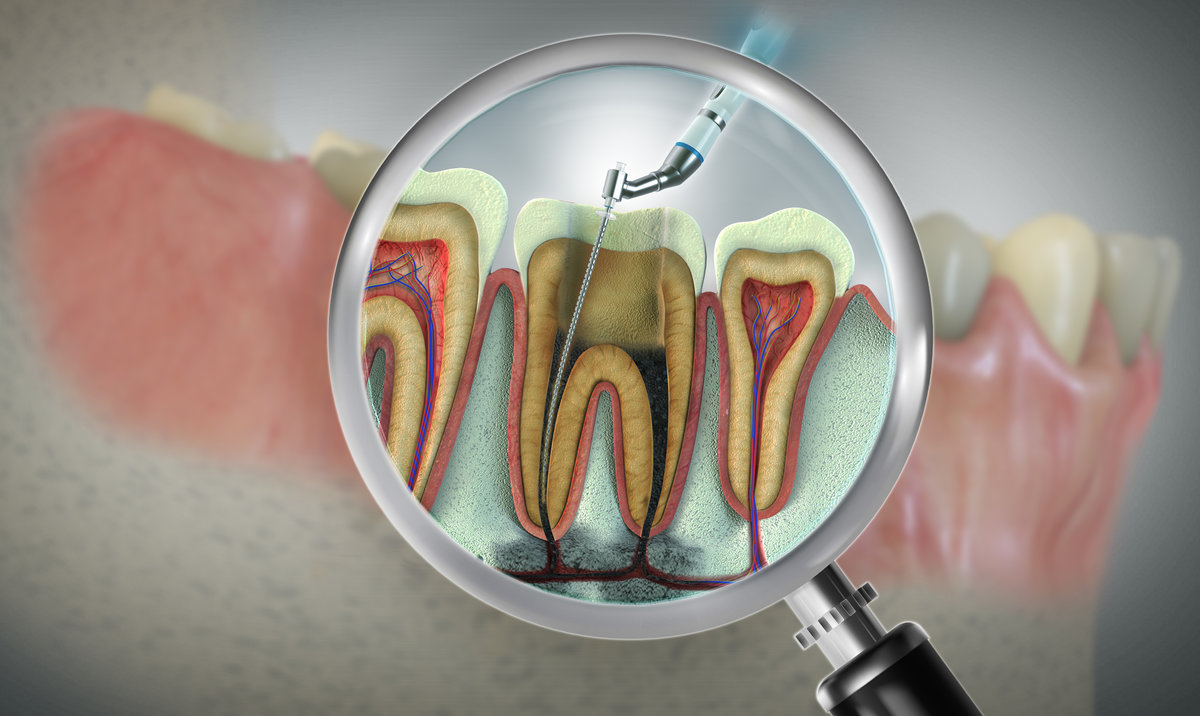
Root canal treatment is highly effective, but no procedure is perfect. Roots can contain tiny, curved, or hidden canals that instruments can’t fully access. Calcium deposits may narrow a canal, or a small fracture near the root tip may harbor bacteria that conventional retreatment is unable to eliminate. When infection persists in the bone around the root tip despite a properly performed root canal, an apicoectomy targets the problem directly at its source.
Before recommending surgery, we take the time to understand exactly what is happening beneath the gumline. Our practice uses cone beam CT imaging to capture a detailed three-dimensional view of your tooth, roots, and surrounding bone. This level of detail helps us pinpoint the infection, identify root anatomy that standard X-rays can miss, and plan your procedure with complete accuracy.
Most patients are surprised by how simple this experience is. The procedure typically takes under an hour, and our doctors are trained and licensed to administer anesthesia, so your comfort is managed from start to finish. Here is a general overview of what happens during root-end surgery:
Each of these steps is performed under magnification with delicate instruments, which means smaller incisions, less discomfort, and faster healing. Our warm and professional surgical staff takes the extra step to make you comfortable, whether that means a friendly hand to hold, a warm blanket, or playing your favorite music during your procedure.
Most patients return to their normal routines the very next day, with only mild soreness or swelling that responds well to over-the-counter pain relief and cold compresses. The bone around the root tip remodels gradually over several months, and we monitor your healing at follow-up visits to confirm the infection has fully resolved.
In some cases, a long-standing infection has damaged the surrounding bone, and bone grafting may be recommended to support full regeneration. If a tooth ultimately can’t be saved, we will talk honestly with you about replacement options, including dental implants, so you are never left without a clear way to move forward.
Goodove Oral Surgery is an independent, community-focused practice by choice. Dr. Scott R. Goodove was born and raised in the Virginia Beach area, and because we are locally owned and operated, our doctors can invest in state-of-the-art technology and continuing education without waiting on outside approval. That independence translates into a more personalized experience, with direct access to your surgeon and continuity of care from consultation through final follow-up.
Safety is at the heart of everything we do. Our doctors hold operating privileges at several local hospitals; every member of our surgical staff is CPR certified, and patients are closely monitored during and after every procedure. We also work hand-in-hand with you to maximize your insurance reimbursement for covered procedures, so finances never stand between you and the care you need.
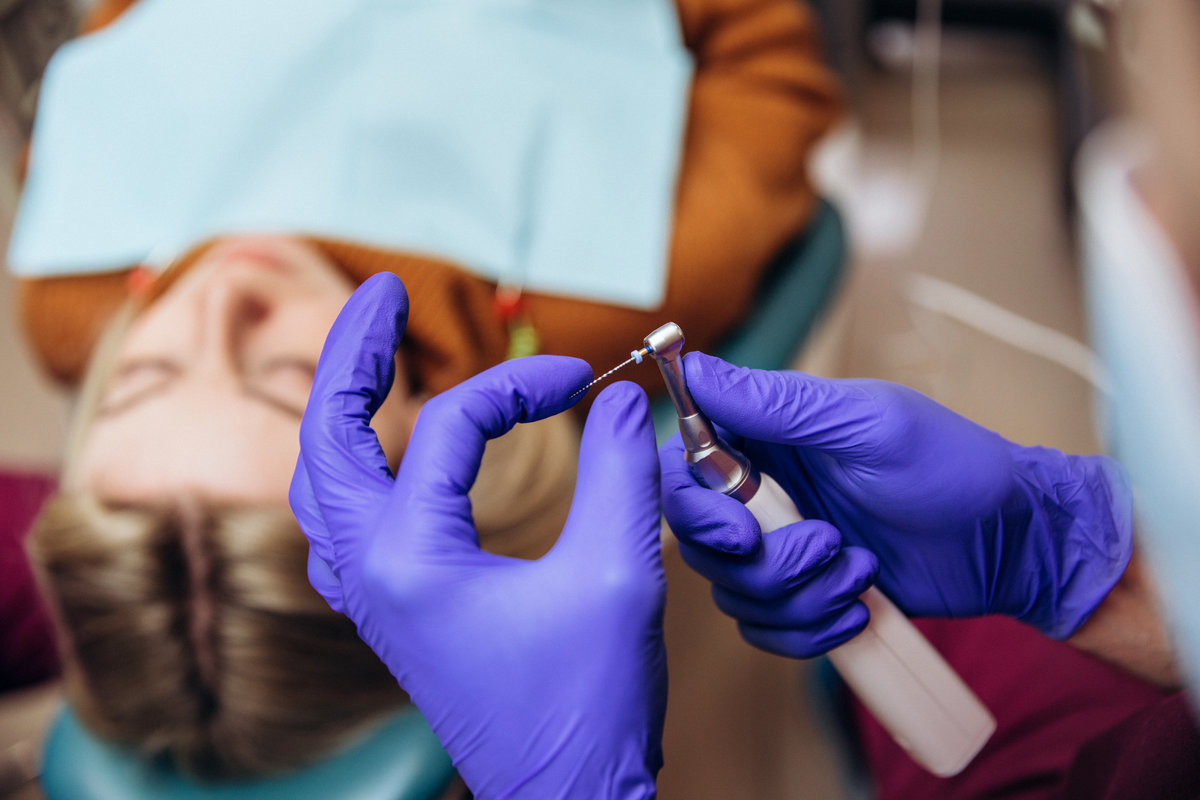
If a previously treated tooth is causing you pain, swelling, or recurring infection, do not wait for the problem to worsen. An apicoectomy may be the procedure that saves your natural tooth and puts the discomfort behind you for good. Our team will evaluate your tooth with advanced 3D imaging, explain your options clearly, and help you make a confident, informed decision.
You deserve an oral surgery team that treats you like a neighbor, because here, you are one. Contact our Virginia Beach office today to schedule your apicoectomy consultation with Goodove Oral Surgery, and let us help you keep your smile healthy, comfortable, and whole.
Office Hours: Monday – Thursday: 9:00 am – 5:00 pm, Friday: 8:00 am – 2:00 pm