A trickle of blood after oral surgery can send even the calmest patient into a panic, but in most cases, some bleeding in the hours following a procedure is completely normal. The key is knowing how to tell the difference between expected oozing and a situation that needs attention, and responding the right way so your healing stays on track.
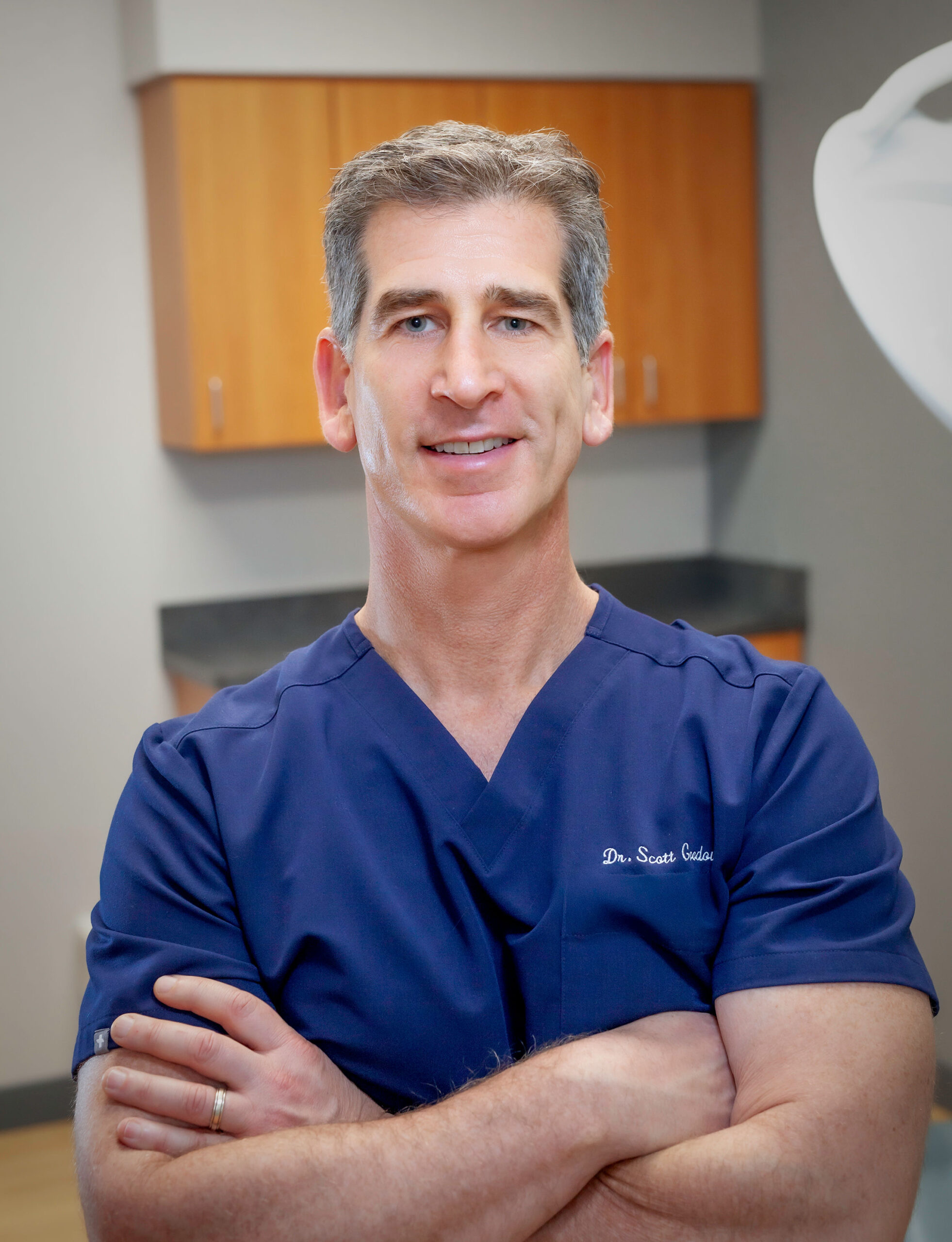
At Goodove Oral Surgery & Dental Implants, helping patients feel confident and informed throughout recovery is just as important as the procedure itself. Dr. Scott Goodove and Dr. Peter Zagursky have guided countless Hampton Roads patients through post-operative care, and understanding what to do if bleeding occurs is one of the most important pieces of that process.
Your First Steps When Bleeding Begins
The moment you notice bleeding at your surgical site, the best thing you can do is stay calm and act quickly. Panic can raise your heart rate and actually increase blood flow, which is the last thing you want. A measured, step-by-step response is your best tool.
Apply Firm, Steady Pressure
Fold a piece of clean gauze into a compact pad and place it directly over the bleeding area. Bite down firmly and hold that pressure for at least 30 to 45 minutes without peeking. The temptation to check on things every few minutes is understandable, but lifting the gauze too soon disrupts clot formation. According to the American Association of Oral and Maxillofacial Surgeons, utilizing gauze properly is essential for the formation of a blood clot, which is the critical first step in the healing process.
What to Do If Gauze Alone Isn’t Enough
If standard gauze isn’t slowing the bleeding after 45 minutes, a moistened tea bag can serve as an alternative. The tannic acid in black tea acts as a natural astringent and can help encourage clotting. Place the damp tea bag over the site and apply the same firm, steady pressure for another 30 minutes.
What to Avoid While Managing Bleeding
What you don’t do is just as important as what you do. Certain actions commonly taken after oral surgery can interfere with clotting and keep a wound from closing the way it should.
Here are some behaviors to avoid in the hours and days following your procedure:
- Spitting or rinsing forcefully: The suction-like motion can dislodge a forming clot and restart the bleeding cycle
- Using a straw: The same suction pressure applies and is a leading cause of dry socket following wisdom tooth removal
- Smoking or vaping: Nicotine constricts blood vessels and significantly impairs the body’s natural clotting response
- Eating hard or hot foods: Heat increases blood flow to the area, while hard or crunchy textures can physically disturb the wound
- Vigorous physical activity: Elevated heart rate and blood pressure from exercise can reopen a site that was beginning to close
Keeping these habits in check during the first 24 to 48 hours gives your body the environment it needs to heal. Review your complete post-operative instructions for a full guide tailored to your specific procedure.
When to Call or Go to the Emergency Room
It’s worth knowing that the kind of bleeding most patients notice after oral surgery, slight pinkish coloring in their saliva or minimal seeping at the site, is entirely expected. That’s different from an active, uncontrolled hemorrhage that doesn’t respond to pressure.
Signs That Require Immediate Attention
Reach out to our office or seek emergency care if you experience any of the following: bleeding that remains heavy and steady after an hour of continuous pressure, large clots forming and repeatedly falling away, lightheadedness or dizziness accompanying the bleeding, or significant swelling that appears to be spreading. These are situations where a professional needs to evaluate what’s happening, and waiting is never the right call.
Patients who’ve had more complex procedures, such as dental implant surgery, or those with certain medical conditions or blood-thinning medications, may have a slightly higher threshold for when to call. Always follow the specific guidance given at your discharge.
Reach Out to Goodove Oral Surgery & Dental Implants
Recovery after oral surgery is rarely perfectly smooth, and questions are always welcome here. Whether you’re managing unexpected bleeding or simply want reassurance that what you’re experiencing is normal, the team at Goodove Oral Surgery & Dental Implants is available to help. Dr. Goodove and Dr. Zagursky take post-operative care seriously, and no concern is too small to bring to our attention.
If you’re experiencing a bleeding issue or have questions about your recovery, please contact us today. We’re here to make sure every patient heals safely and comfortably.