
A dental emergency in Chesapeake can happen at any time, and the city’s geography works against you when it does. At over 350 square miles, Chesapeake is the largest city by land area in Virginia — and when you are dealing with severe tooth pain, a spreading infection, or a badly fractured tooth, the last thing you want is a long drive to a provider who treats your urgency as routine. You need a surgical team that is accessible, experienced, and equipped to act the same day.
At Goodove Oral Surgery & Dental Implants, emergency tooth extractions at our Chesapeake office are handled by Dr. Peter Zagursky, a board-certified oral and maxillofacial surgeon with hospital privileges at Bon Secours Maryview Medical Center. As an independent, community-focused practice, we work to get urgent cases seen promptly — without the bureaucratic delays that often come with larger corporate systems. If you are in pain and need answers, our team is here. Our full scope of oral surgery procedures is available to Chesapeake patients who may need more than an extraction alone.
Not every toothache signals the need for an extraction, but certain situations may make it unavoidable. Severe decay that has destroyed too much tooth structure to support a restoration, a tooth fractured below the gum line, advanced periodontal disease that has caused significant bone loss, and dental abscesses that have spread infection beyond the tooth root are among the most common reasons a patient needs emergency care. In some cases, a tooth damaged by facial trauma may also need to be removed to protect surrounding structures and prevent added complications.
What distinguishes an emergency extraction from a scheduled one is the element of urgency. Pain, swelling, fever, or the spread of infection are warning signs that should never be put off until later. The American Association of Oral and Maxillofacial Surgeons notes that dentoalveolar surgery, which encompasses tooth extractions, is at the core of what oral surgeons are trained to perform. This distinction matters when you have a complex situation, when simple removal isn’t possible, or when sedation is needed to make the procedure safe and comfortable.

When you come to our Chesapeake office for an emergency extraction, we begin with a thorough evaluation that typically includes imaging to assess the condition of the tooth, surrounding bone, and neighboring teeth. This allows Dr. Zagursky to understand the full picture before recommending any procedure. From there, we explain your options clearly so you can make an informed decision without feeling rushed or overwhelmed.
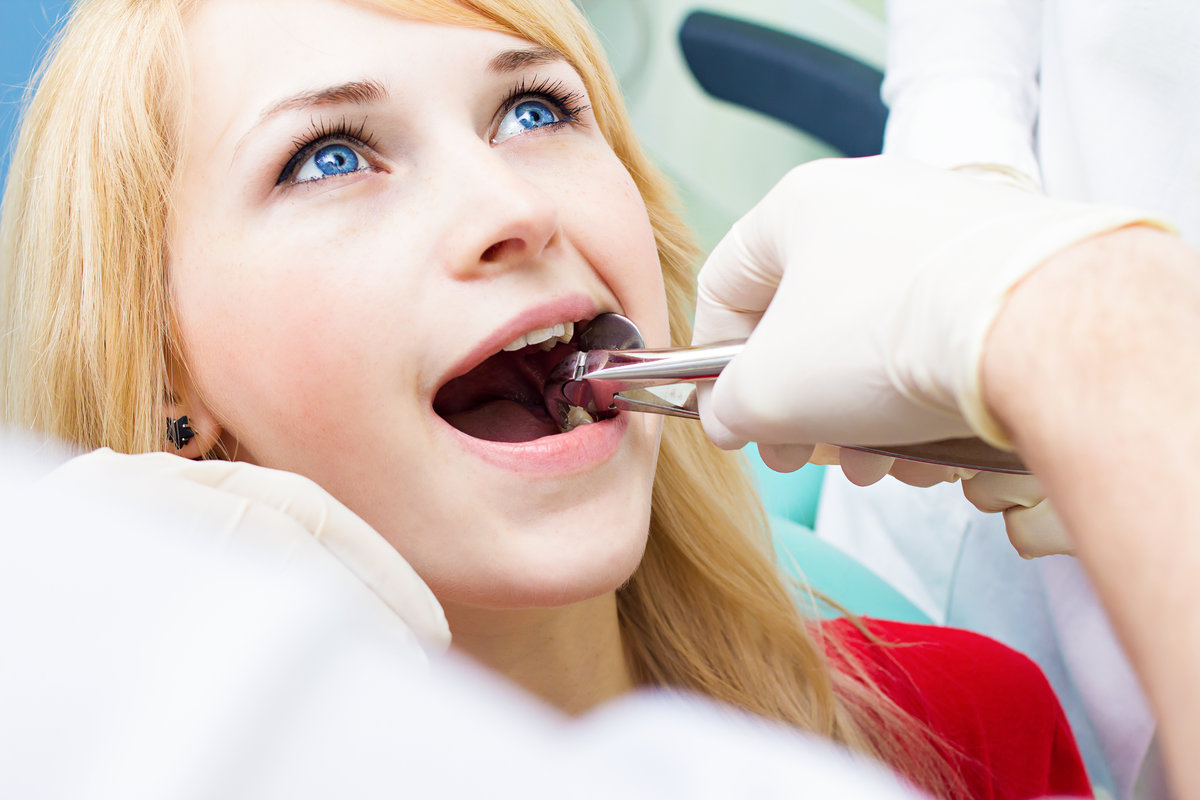
The extraction itself is performed under local anesthesia, and sedation options are available for patients who feel anxious or whose cases require additional comfort measures. Our surgical team is trained to manage even complex extractions, including impacted teeth, broken at the gum line, or situated near critical structures. Our entire team works to make the process as smooth as possible from the moment you walk in to the moment you leave with your aftercare instructions in hand.
Recovery from a tooth extraction is generally straightforward, and most patients return to normal routines within a few days. You can expect some swelling, tenderness, and mild bleeding in the first 24 to 48 hours, all of which typically resolve with proper care.
Following your post-operative instructions closely is a must to ensure proper healing. Avoiding straws, tobacco use, and vigorous rinsing during the first few days helps protect the clot that forms in the extraction site. You can review our detailed tooth extraction aftercare instructions to prepare ahead of your visit.
Most extractions heal without any issues. However, it is important to know the signs that something may need attention. Dry socket, which occurs when the blood clot is disrupted or dislodges before the site has healed, is the most common post-extraction complication. Symptoms include a dull, aching pain that develops a few days after the procedure and may radiate toward the ear or jaw.
If you experience worsening pain, persistent bleeding, or signs of infection such as fever or increasing swelling, contact our office promptly. Quick intervention can make a significant difference in this type of scenario.
An extracted tooth does not have to mean a permanent gap in your smile. Once healing is complete, our team can discuss options for restoring the site, including dental implants, which are the gold standard for replacing a missing tooth with a durable, natural-looking solution. In some cases, a bone grafting procedure may be recommended at the time of extraction to preserve the bone and support future implant placement. We take a comprehensive view of your oral health, not just the immediate problem, because our goal is to always do right by you.
If the extracted tooth was a wisdom tooth, our team handles those cases as well. Many patients who come in for emergency extractions are experiencing complications from an impacted or partially erupted wisdom tooth, and addressing it right away prevents further damage to adjacent teeth and surrounding bone.
When a dental emergency strikes in Chesapeake, you need an oral surgery team you can trust to act quickly, communicate clearly, and provide the highest level of surgical care. At Goodove Oral Surgery & Dental Implants, Dr. Zagursky and our entire team are here to help you through every step of the process, from diagnosis through recovery and beyond. We accept most major PPO dental insurance plans, Medicaid, Medicare Advantage, TRICARE, and Veterans Affairs coverage, and offer financing through CareCredit and Cherry Financing for patients who need more flexibility with payments.
We understand that no one plans for a dental emergency, and we work hard to make sure that uncertainty doesn’t add to your stress. If you are experiencing severe tooth pain, swelling, or another urgent dental concern, do not wait. Reach out to our Chesapeake team today by contacting our Chesapeake office to request an appointment and get the care you need now.
Patients facing tooth extraction often have several questions, including the following:
Our first priority is always to preserve your natural tooth whenever possible. However, there are situations in which extraction is truly the best course of action, including severe decay that has destroyed too much tooth structure, irreparable fractures, advanced bone loss from periodontal disease, or infection that has spread beyond the tooth root. Dr. Zagursky will clearly explain whether a tooth can be saved or must be removed before proceeding with any treatment.
For most straightforward extractions, the procedure itself takes 20 to 45 minutes from anesthesia to completion. More complex cases involving impacted or broken teeth may take longer. You should plan to spend some additional time at our office for your evaluation and post-operative instructions. Many patients are surprised by how efficient and manageable the experience is.
If you receive only local anesthesia, you can typically drive yourself home. If sedation is used during your procedure, you will need a responsible adult to drive you and stay with you for the first several hours after surgery. Our team will confirm transportation requirements when we discuss your sedation plan with you.
Most patients return to desk work or light activity within one to two days. Physical labor or strenuous activity should be avoided for at least three to five days to prevent disrupting the healing clot. Your individual recovery may vary based on the complexity of the extraction and your overall health, and our team will give you personalized guidance based on your procedure.
Office Hours: Monday – Thursday: 9:00 am – 5:00 pm, Friday: 8:00 am – 2:00 pm