
Losing a tooth does so much more than change your smile. Over time, the jawbone beneath a missing tooth begins to shrink, and that process can compromise the structure of your face, shift surrounding teeth, and eliminate the foundation needed for a long-term restoration. For Chesapeake patients on a path toward dental implants, bone grafting is often the step that makes a successful outcome possible — the procedure that rebuilds what was lost and prepares the jaw to support something permanent.
At Goodove Oral Surgery & Dental Implants, our Chesapeake oral surgery team is led by Dr. Peter Zagursky, a board-certified oral and maxillofacial surgeon with a background in military medicine and a commitment to bringing precise, personalized surgical care to every patient he serves. As an independent practice, we take the time to evaluate each patient’s anatomy thoroughly, explain the full clinical picture, and build a treatment plan that serves your long-term goals — not a one-size-fits-all protocol.
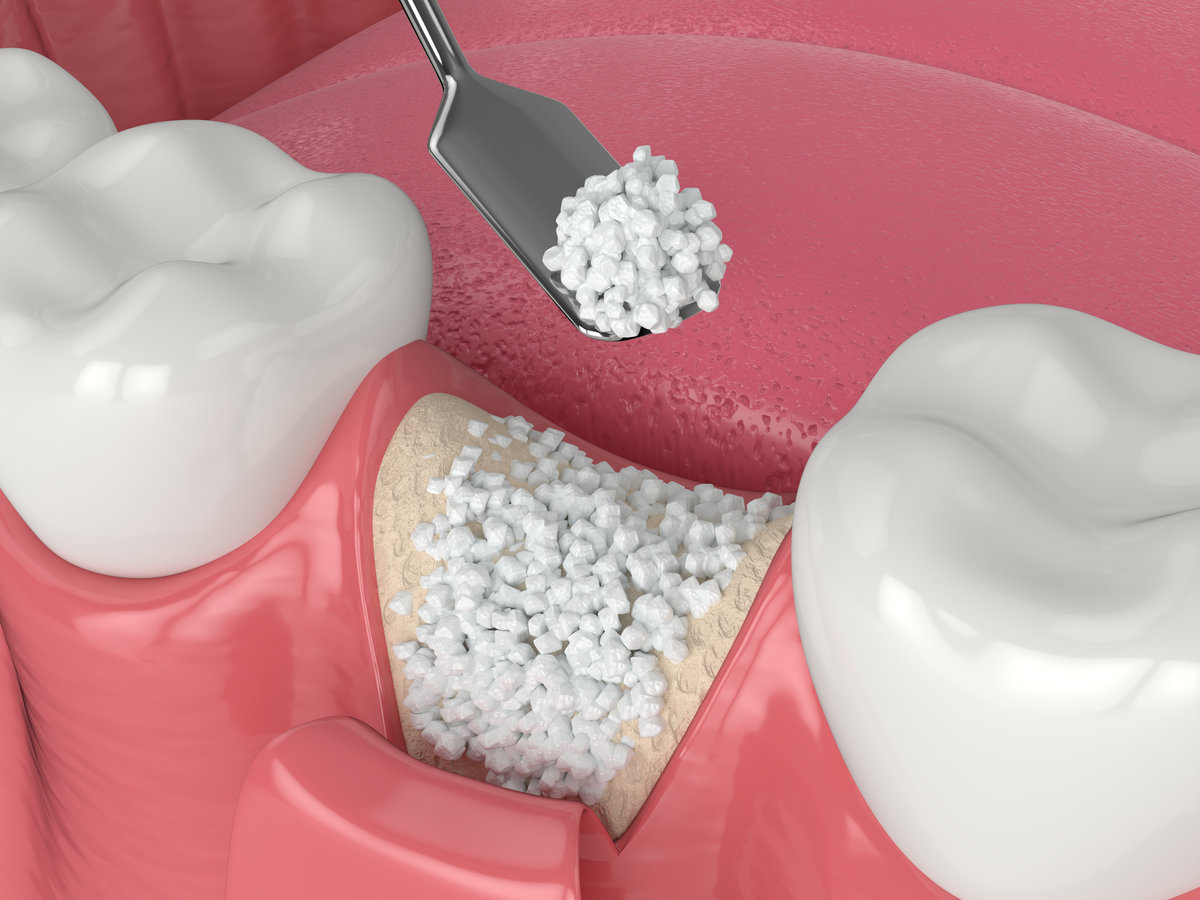
Bone grafting is a surgical procedure that restores volume and density to an area of the jaw where bone has been lost. When a tooth is extracted, the surrounding bone no longer receives the stimulation it needs to maintain its structure, causing it to resorb. Grafting introduces bone material to the affected site, encouraging the body to generate new, healthy bone over time.
The materials used in a bone graft vary depending on a patient’s needs. Autografts use bone harvested from the patient’s own body, while allografts rely on donor bone that has been sterilized and processed for safe use. Xenografts use bone from an animal source, and alloplastic grafts are made from synthetic materials designed to support new bone growth. We evaluate each patient individually to determine which one of these approaches offers the best outcome.
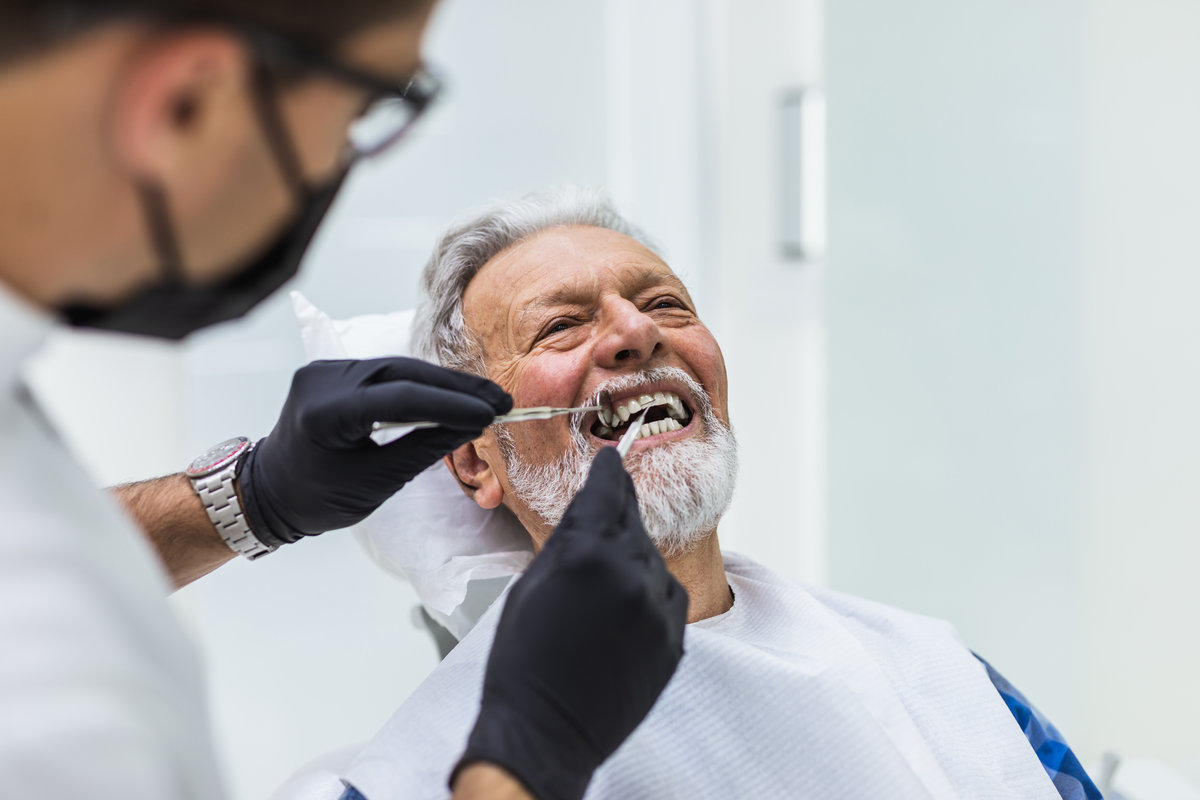
Bone grafting plays a central role in restorative oral surgery. Without sufficient bone volume, dental implants cannot be placed safely or in a way that would allow a predictable result. Grafting restores the structural foundation the implant needs to integrate and function like a natural tooth root. According to the American Association of Oral and Maxillofacial Surgeons, bone volume at the implant site is one of the most critical factors influencing long-term implant success.
Beyond implants, bone grafting may also be recommended after significant tooth extractions, following trauma to the jaw, or when bone loss has progressed to the point of affecting facial contour. Patients interested in learning more about whether they may be candidates can review our overview of who needs bone grafting to better understand the common clinical scenarios that often call for this procedure.
Not every bone graft is the same. The scope and complexity of the procedure will depend on how much bone has been lost and on the patient’s restoration goals. At our Chesapeake office, we perform several types of grafting procedures.
Socket preservation, or ridge preservation as it is also known, is performed at the time of a tooth extraction. Graft material is placed directly into the socket to prevent bone collapse and maintain the ridge for a future implant. This is one of the most common grafting procedures we perform and is often completed in the same appointment as the extraction.
Ridge augmentation rebuilds the height and width of the jawbone when existing bone volume is insufficient for implant placement. Sinus lifts, or sinus augmentation procedures, are performed in the upper jaw when the sinus cavity sits too close to the bone, requiring a lift and graft to create enough space.
Every bone grafting case at our practice is approached with a clear, step-by-step plan tailored to your anatomy and treatment goals. Understanding what happens at each stage can help ease any concerns and prepare you for a smooth experience from evaluation through recovery.
Before any procedure is scheduled, we conduct a thorough evaluation that includes a review of your medical history, a clinical examination, and, when appropriate, cone-beam CT imaging. This imaging gives our surgical team a precise, three-dimensional view of your bone structure, allowing us to plan your graft with accuracy. It is an important diagnostic tool we use to ensure every procedure is approached with the right information.
Bone grafting is typically performed under local anesthesia, though sedation options are available for patients who prefer a more relaxed experience. The procedure involves making a small incision in the gum tissue to access the bone, placing the graft material, and securing the site to allow healing. Depending on the extent of the graft, the appointment generally takes under an hour.
After a bone graft, the body begins a natural process of integrating the graft material and building new bone. This healing period typically ranges from three to six months before a dental implant can be placed. During recovery, we provide detailed post-operative instructions to support optimal healing and minimize the risk of complications.
We believe that every patient deserves access to the care they need. Our Chesapeake office accepts a wide range of insurance plans, including major PPO providers, Medicaid, Medicare Advantage, TRICARE, and Veterans Affairs coverage. You can explore full details on our insurance information page. We also offer financing through CareCredit and Cherry Financing to help make treatment accessible regardless of budget.
Goodove Oral Surgery & Dental Implants has been a trusted name in Hampton Roads for over 15 years, built on a commitment to independent, patient-centered care. Dr. Zagursky brings a depth of surgical training and a genuine dedication to the patients and families he serves in Chesapeake and the surrounding communities. We have treated patients from all walks of life, all types of insurance backgrounds, and all levels of dental anxiety.
Because we are locally owned and operated, our doctors have the flexibility to make decisions based on what is best for each patient and family. This allows us to provide a more personalized experience, with direct access to your surgeon, continuity of care, and a team that is committed to building lasting relationships within the community we serve. If you are ready to take the next step toward a complete, confident smile, we are here to guide you through it. Contact our Chesapeake office to schedule your consultation with Dr. Zagursky and learn whether bone grafting may be the next step in getting your smile back on track.
Some questions our patients frequently have about bone grafting include the following:
Healing time varies depending on the size and type of graft, but most patients need to allow three to six months for the grafted bone to integrate before implant placement can begin. During your consultation, Dr. Zagursky will review your imaging and give you a realistic timeline based on your specific case. Some patients are able to proceed more quickly, while others with more significant bone loss may require additional healing time.
Several graft sources are used in oral surgery, and the choice depends on your specific anatomy and clinical needs. Options include bone taken from your own body (autograft), processed donor bone from a tissue bank (allograft), bovine-derived bone mineral (xenograft), and synthetic bone substitute materials. Dr. Zagursky will explain which type he recommends for your situation and why during your consultation.
Most dental bone grafts are minor to moderate procedures that are performed in our Chesapeake office under local anesthesia, with sedation available for patients who prefer it. Patients typically return to normal activities within a few days, though some swelling and tenderness are expected in the first week. More extensive grafts may require a longer recovery, which your surgeon will discuss with you in advance.
Placing an implant in a site with insufficient bone volume significantly increases the risk of implant failure. Without enough bone to surround and stabilize the post, osseointegration cannot occur reliably. A bone graft creates the foundation necessary for a successful, long-lasting implant outcome. Skipping this step to save time or cost often results in more complex and expensive problems down the road.
In many cases, yes. A socket preservation graft, placed at the time of extraction to maintain bone volume, is a common and efficient approach that prevents the bone loss that typically follows a tooth removal. This can simplify and shorten the overall implant timeline by preserving the site from the start. Dr. Zagursky will evaluate whether this is appropriate for your situation during your consultation.
Most bone grafts heal without complications, but it is important to recognize signs that something may need attention. Increasing pain or swelling after the first few days, rather than gradual improvement, a bad taste or odor at the graft site, visible graft material becoming exposed, or fever can all indicate the graft is not healing as expected. If you notice any of these signs, contact our office promptly so Dr. Zagursky can evaluate the site and address any concerns early.
Office Hours: Monday – Thursday: 9:00 am – 5:00 pm, Friday: 8:00 am – 2:00 pm