Anyone counting down the days to their wisdom tooth removal has probably typed some version of the same question into a search bar late at night, how long am I actually going to look like this. Puffy cheeks, a tight jaw, and a face that does not quite look like your own can feel unsettling, especially if you have a graduation, a first week of classes, or a big family event on the calendar. Knowing what is normal, what to expect day by day, and when swelling should start fading can make the whole recovery feel far less intimidating.
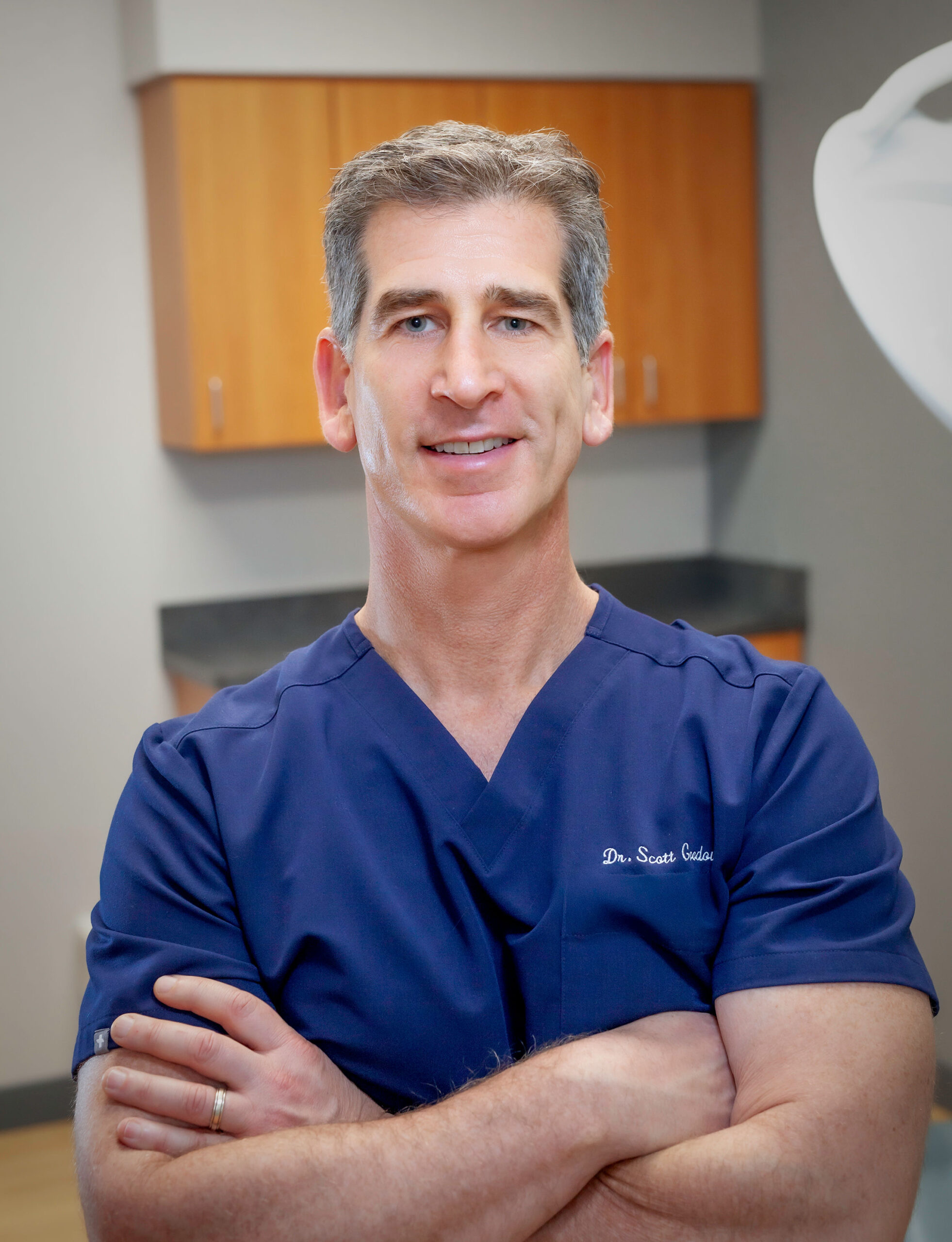
At Goodove Oral Surgery, we walk every patient through wisdom tooth removal before the day of surgery even arrives, so nothing about recovery comes as a surprise. Our doctors, Dr. Scott Goodove, Dr. Peter Zagursky, and Dr. Sam Fowler, explain what your specific case will likely look like based on how your wisdom teeth are positioned, and we build a recovery plan around your schedule, not just the calendar on the wall.
The Typical Swelling Timeline
For most patients, swelling builds steadily over the first two days after surgery and reaches its peak around day two or three. This is your body doing exactly what it is supposed to do. Extra fluid and white blood cells rush to the extraction sites to protect them and begin the repair process, and that response shows up on the outside as visible puffiness in the cheeks and jawline.
By day four or five, swelling usually starts to noticeably shrink, and most patients see the majority of it resolve within seven to ten days. Some tightness or mild firmness can linger a little longer, particularly if your wisdom teeth were impacted or required a more involved surgical approach. Peer-reviewed research on third molar extraction supports this pattern. While visible swelling in the cheeks tends to fade within roughly a week, the bone inside the socket keeps remodeling for months afterward, long after the outside of your face looks completely normal again.
What Changes How Long Your Swelling Lasts
Not every recovery looks identical, and a handful of specific factors tend to make the biggest difference in how long swelling sticks around.
- How impacted the teeth were, since deeper or angled teeth usually need more tissue manipulation
- How closely you follow your after-surgery care instructions during the first 48 hours
- Whether ice is applied consistently on day one, since early cold therapy limits how much swelling develops
- Whether you are also managing a complication like dry socket, which can prolong discomfort well past the usual window
Following your surgeon’s instructions from the very first hour after surgery is one of the simplest ways to keep your recovery on the shorter end of that range, and it is also one of the easiest steps to overlook once the anesthesia wears off and you just want to rest.
Planning Ahead So Recovery Fits Your Schedule
One of the most useful things a patient can do is book a consultation well before swelling ever becomes a concern. This matters most for students, since recovery is far more comfortable when it happens over a school break rather than in the middle of a busy semester. Parents weighing timing for a teenager often find that scheduling the consultation months in advance, rather than waiting until winter or summer break has already started, gives everyone more flexibility to choose a surgery date with enough recovery time built in before classes resume.
The same logic applies to college students coming home for a break. The earlier the consultation happens, the more options exist for picking a surgery date that allows the bulk of swelling to fade before you need to be back on campus or in the classroom. Waiting until the week before a break starts often means settling for whatever appointment is left rather than the date that actually works best for a full recovery.
Goodove Oral Surgery
Every patient who comes through our doors gets a clear, honest picture of what their individual recovery is likely to look like, based on their own anatomy and their own schedule. Our team walks you through what to expect at your oral surgery consultation, answers every question about swelling and healing, and helps you choose a surgery date that actually works with your life, whether that means a school break, a slower week at work, or simply the soonest available opening.
If you are ready to talk through your options or have questions about wisdom tooth swelling and recovery, we invite you to reach out to our team and get a consultation scheduled.